 Skip to content

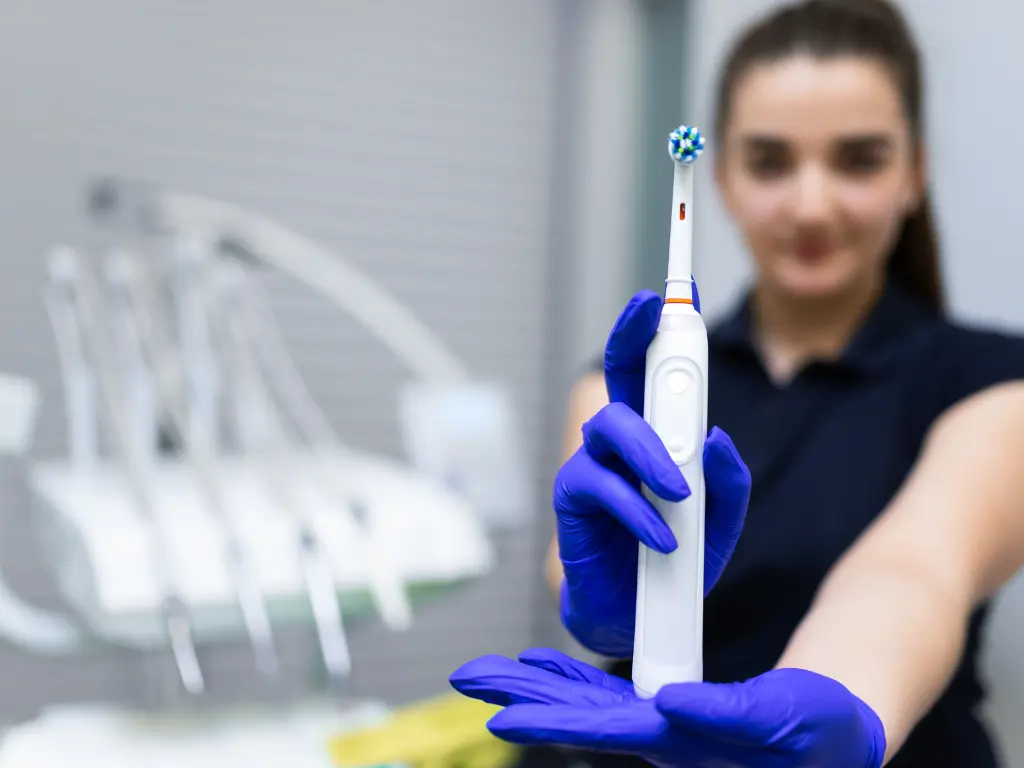
A confident smile is something we all need, and maintaining good oral hygiene plays an important role in achieving it. While we all brush our teeth twice a day, the question is whether we are really brushing them correctly.
The toothbrush you use can significantly impact your oral health. There are many choices to buy soft, medium, electric, manual, small-headed, and angled options. It’s only natural to be confused when selecting one, which is why it’s not uncommon to wonder what type of toothbrush dentists recommend.
Why Choosing the Right Toothbrush Matters
Your toothbrush is more than a household item as it protects you from cavities, gum disease, and bad breath. Using the wrong one can lead to poor cleaning or even harm your enamel and gums.
- Smart Cleaning: A quality toothbrush removes plaque, food, and bacteria effectively, even from hard-to-reach areas.
- Strength: A good brush lasts around three months, while cheaper ones wear out faster.
- Prevention: Hard bristles can harm gums and enamel, so choosing the right brush helps prevent damage.
Tip for brushing: Always use a mild circular motion rather than rough scrubbing. Brushing tougher doesn’t equal brushing better.
What Type of Toothbrush Do Dentists Recommend?
According to the American Dental Association and dental health experts worldwide, here are the toothbrush attributes that are nearly unanimously agreed upon by dentists:
- Small Head: Toothbrushes with smaller heads allow you to reach all areas of your mouth, including those hard-to-access areas like back molars. A large-headed brush might feel like it covers more area, but it misses corners, which it does not thoroughly clean.
- Medium Bristles: The majority of dentists recommend toothbrushes with medium bristles. Medium bristles are great for removing plaque while being less damaging to your gums and enamel.
- Adjustable Neck and Comfortable Handle: A variable neck allows the toothbrush to fit the natural curves of your mouth, and the comfortable grip makes brushing less exhausting and more productive.
- Manual vs. Electric Toothbrushes: Handheld toothbrushes, also called manual toothbrushes, and electric toothbrushes can both be very beneficial if they are used correctly. However, electric toothbrushes do offer some added benefits:
- They have built-in timers to help you brush for at least two minutes.
- The motions can be more consistent and efficient.
- They are useful for someone with braces, limited mobility, or for individuals who struggle to brush effectively.
So, which is the brush recommended by dentists? The short answer is a toothbrush with a small head, medium bristles, and a flexible neck. But personalized needs may vary, which we will talk about next.
Personal Elements Dentists Consider When Recommending a Toothbrush
While these recommendations suit most people, dentists choose toothbrushes based on individual needs and important factors.
- Oral Health Needs: If a person has sensitive teeth, they may need a toothbrush with extra-soft bristles.
- For many individuals with braces, orthodontic or electric toothbrushes may be more beneficial for cleaning around brackets and wires.
- Age and Dental Development: Children need smaller, softer toothbrushes with easy grips, while teens transitioning to adult brushes may still prefer compact heads for comfort.
- Budget: Toothbrushes vary from basic manual types to advanced electric ones. While electric brushes offer convenience, a simple manual brush works just as well when used correctly.
Quick Tips for Better Brushing
- Brush at least twice a day for two minutes.
- Fluoride toothpaste must be used for cavity protection.
- Don’t forget to clean your tongue, it harbors bacteria causing bad breath.
- Change your toothbrush on a regular basis.
- Floss after brushing and use mouthwash for perfect oral hygiene.
Conclusion
Wondering what type of toothbrush dentists recommend? Most suggest a medium-bristle brush with a small head and flexible neck. Your needs may vary based on sensitivity, braces, or age, but whether manual or electric, brushing properly twice a day keeps your teeth and gums healthy for life.
