 Skip to content

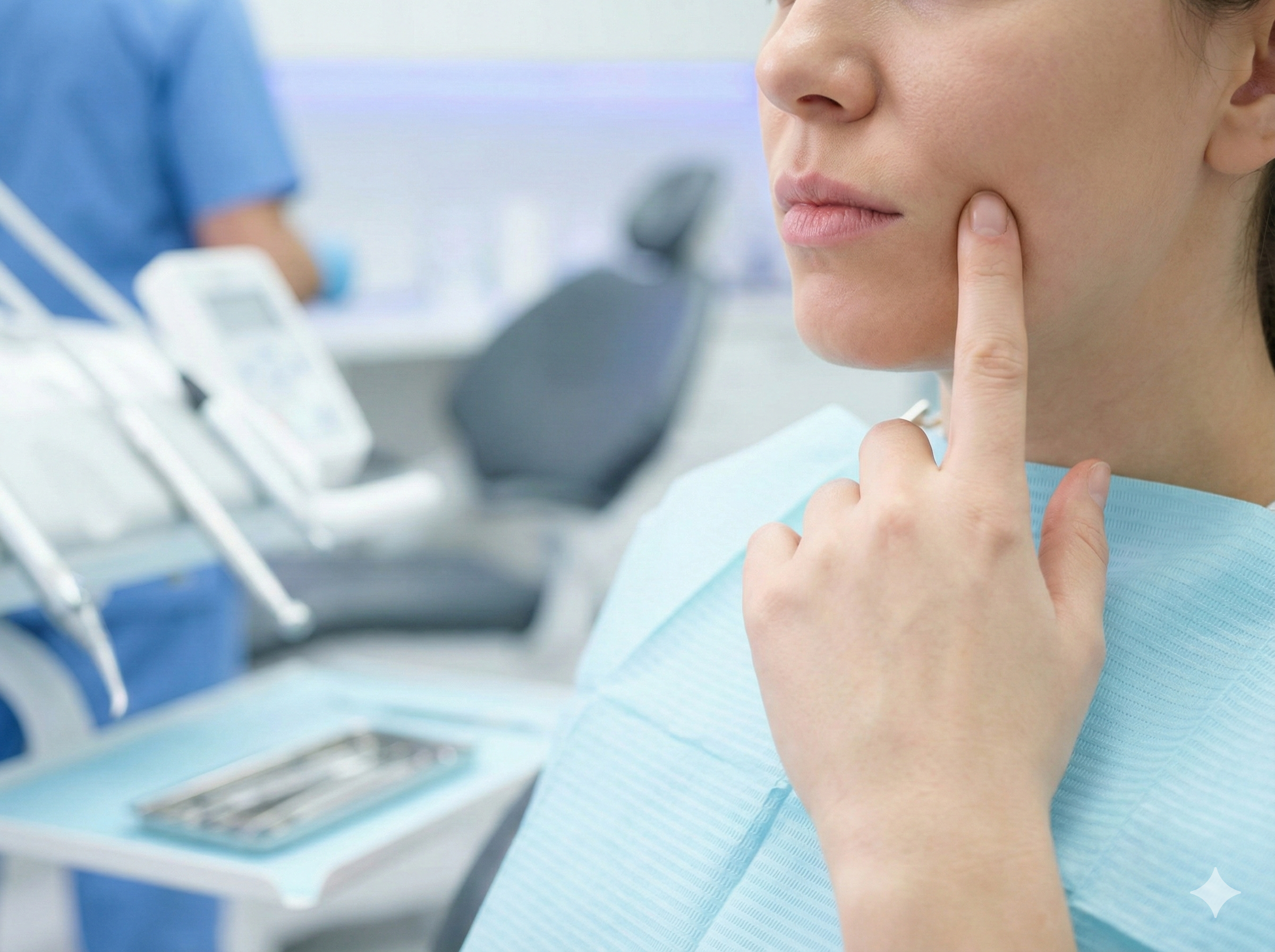
Accidental cheek biting is something everyone experiences at least once in their life. You may be eating, talking, or even sleeping when suddenly your teeth pinch the soft inside of your cheek. It hurts, causes swelling, and often forms a small sore that makes chewing uncomfortable for days.
Although it seems like a minor issue, repeated cheek biting can indicate underlying dental problems. It can also lead to infections if not cared for properly. This detailed guide explains why cheek biting happens, how to heal it fast, and when to seek dental help.
What Is Accidental Cheek Biting
The inner lining of your cheeks is called the buccal mucosa. It is soft and delicate. When your teeth accidentally press or close on this area, it causes a cut or sore. Once a bite occurs, swelling begins, and the swollen area becomes easier to bite again. This is why people often bite the same spot repeatedly.
Why Do People Accidentally Bite Their Cheeks
Cheek biting is usually caused by one or more of the following reasons.
1. Misaligned Teeth or Bite Issues
If your teeth do not sit together properly, the cheek may get caught between them. Conditions like crooked teeth, missing teeth, crossbite, or overbite increase the chances of accidental biting.
2. Eating Too Fast
Chewing quickly or talking while chewing affects jaw coordination. This makes it easier for the cheek to slip between the teeth.
3. Stress or Habitual Cheek Biting
Some people bite the inside of their cheeks when stressed or anxious. Over time, it becomes a habit and leads to recurring sores.
4. Swollen Cheek Tissue
One bite causes swelling. This swollen tissue bulges inside the mouth, making it more likely to be bitten again. This cycle continues until the area completely heals.
5. Nighttime Teeth Grinding
People who clench or grind their teeth while sleeping often bite their cheeks unknowingly. This is common in those with bruxism.
6. Braces or Sharp Dental Edges
Wires, brackets, or sharp edges of teeth can irritate the cheek lining and cause accidental biting until the mouth adapts.
What Happens After You Bite Your Cheek
A single bite can lead to:
- Redness or inflammation
- A small ulcer
- Pain when eating spicy or hot foods
- Mild bleeding
If the area is bitten multiple times, healing becomes slow and painful.
How to Heal Inner Cheek Cuts Quickly
The inside of the mouth heals faster than other parts of the body. With proper care, most cuts heal in three to five days. Here are dentist approved methods to speed up recovery.
1. Warm Salt Water Rinses
Salt water helps reduce bacteria and swelling. Mix half a teaspoon of salt in a glass of warm water and rinse gently twice a day.
2. Use an Antiseptic Oral Gel
These gels protect the sore, reduce irritation, and help the tissue heal faster.
3. Avoid Spicy, Hard, or Acidic Foods
Food items like chips, pickles, and citrus fruits can irritate the wound and delay healing.
4. Cold Compress or Ice Cube
Applying an ice cube inside the mouth reduces pain and swelling instantly.
5. Maintain Good Oral Hygiene
Brush softly around the affected area and keep your mouth clean for faster healing.
6. Use Orthodontic Wax if You Wear Braces
Wax reduces friction between braces and the inner cheeks.
7. Wear a Night Guard if You Grind Your Teeth
A custom night guard prevents cheek injury during sleep.
When to See a Dentist
You should consult a dentist if:
- The cut does not heal within a week
- Pain becomes severe
- There is pus or a bad smell
- You keep biting the same spot repeatedly
- You suspect bite or alignment problems
A dental examination can identify the exact cause and provide the right treatment.
Can Frequent Cheek Biting Affect Long Term Oral Health
Yes. Chronic cheek biting may cause:
- Thickened cheek lining
- Recurrent mouth ulcers
- Ongoing pain
- Difficulty eating
- Risk of infection
Correcting bite alignment or treating grinding habits can prevent long term issues.
How to Prevent Accidental Cheek Biting
• Eat slowly and mindfully
• Avoid talking while chewing
• Fix misaligned teeth early
• Use orthodontic wax for braces
• Manage stress
• Use protective night guards
• Get regular dental checkups
FAQs
1. How long does a cheek bite take to heal
Most inner cheek cuts heal in 3 to 5 days.
2. Why do I bite the same area again and again
Swelling from the first bite makes the area bulge out, increasing the chance of another bite.
3. Does cheek biting cause cancer
No, accidental cheek biting does not cause cancer. Persistent non healing ulcers should be checked by a dentist.
4. Is cheek biting common during sleep
Yes, especially in people who clench or grind their teeth at night.
5. Can mouthwash help
Yes, but alcohol free mouthwash is recommended to avoid burning.
Conclusion
Accidental cheek biting is common, but if it keeps happening, it may point toward dental alignment issues or nighttime grinding. With simple home care, most mouth cuts heal quickly, but getting to the root cause prevents future discomfort.
If you face repeated cheek biting, swelling, or non healing sores, a professional evaluation becomes important.
Dr. Sanjay Kalra’s Multispeciality Dental Clinic in Panchkula provides expert diagnosis and personalised treatment for cheek biting, ulcers, bite correction, and complete oral care. With advanced dental technology and highly experienced dentists, the clinic ensures safe, comfortable, and long lasting solutions for all age groups.
For accurate guidance and effective treatment, visit Dr. Sanjay Kalra’s Multispeciality Dental Clinic and protect your oral health with trusted professionals.
