 Skip to content

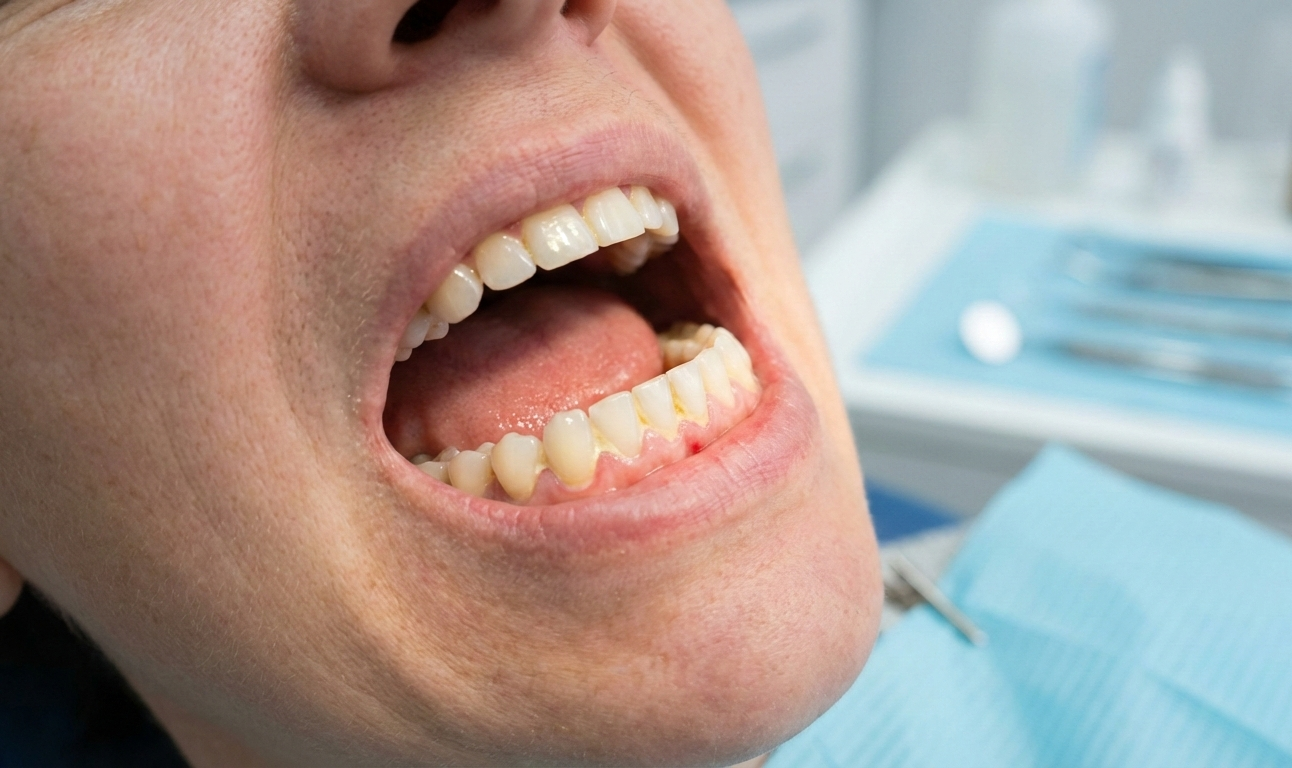
An oral hygiene routine is the foundation of lifelong dental health. It protects your teeth from decay, keeps your gums healthy, prevents bad breath, and reduces the risk of serious dental problems. Yet, many people follow a routine daily without realising that it is not effective.
Dental issues often do not cause pain in the early stages. Problems like gum disease and cavities can quietly progress even when you brush every day. That is why it is important to understand whether your oral hygiene routine is truly working or silently failing.
This blog explains the most common warning signs of an ineffective oral hygiene routine, the reasons behind them, and dentist approved solutions to help you restore your oral health.
Clear Signs That Your Oral Hygiene Routine Is Not Effective
1. Gums That Bleed Easily
What this indicates
Bleeding gums are an early warning sign of gum inflammation and plaque buildup.
Why it happens
- Incomplete cleaning along the gum line
- Skipping flossing regularly
- Poor brushing technique
Real life situation
Many people notice blood while brushing and assume it is normal. In reality, healthy gums do not bleed. Ignoring this sign can allow gingivitis to progress into more serious gum disease.
2. Bad Breath That Keeps Coming Back
What this indicates
Persistent bad breath suggests bacterial growth in areas that are not being cleaned properly.
Why it happens
- Tongue bacteria not removed
- Food trapped between teeth
- Untreated cavities or gum infection
Real life situation
Patients often brush thoroughly but never clean their tongue. This leaves odor causing bacteria behind, resulting in bad breath even after brushing.
3. Sensitivity to Hot, Cold, or Sweet Foods
What this indicates
Tooth sensitivity often points to enamel damage or exposed tooth roots.
Why it happens
- Brushing with excessive force
- Using a hard bristle toothbrush
- Frequent intake of acidic foods
Real life situation
Many people believe brushing harder cleans better. Over time, this habit wears down enamel and causes long term sensitivity.
4. Yellow Deposits or Tartar on Teeth
What this indicates
Visible plaque or tartar shows that brushing alone is not removing bacteria effectively.
Why it happens
- Rushing through brushing
- Skipping flossing
- Not reaching back teeth properly
Real life situation
Brushing for less than two minutes often leaves plaque behind, especially near the gums and molars.
5. Repeated Cavities Despite Daily Brushing
What this indicates
If cavities keep forming, your oral hygiene routine may be incomplete or incorrect.
Why it happens
- Poor cleaning between teeth
- High sugar consumption
- Irregular dental checkups
Real life situation
Some people brush twice daily but consume sugary snacks frequently, allowing bacteria to attack teeth throughout the day.
6. Swollen, Painful, or Receding Gums
What this indicates
These symptoms often point to advancing gum disease.
Why it happens
- Long term plaque accumulation
- Ignoring early warning signs
- Delayed professional treatment
Real life situation
Patients often seek treatment only when pain appears, by which time the condition may already be advanced.
Common Mistakes That Weaken an Oral Hygiene Routine
- Brushing once instead of twice daily
- Not flossing at all
- Using the wrong toothbrush or toothpaste
- Brushing aggressively rather than gently
- Ignoring tongue cleaning
- Visiting a dentist only when pain occurs
Even one of these mistakes can reduce the effectiveness of your oral hygiene routine.
Dentist Approved Tips to Improve Your Oral Hygiene Routine
- Brush twice daily for a full two minutes
- Use a soft bristle toothbrush
- Clean your tongue every day
- Floss at least once daily
- Use fluoride toothpaste as recommended
- Limit sugary and acidic foods
- Replace your toothbrush every three months
A consistent and well balanced oral hygiene routine is far more effective than aggressive brushing.
When Professional Dental Care Becomes Necessary
You should consult a dentist if you experience:
- Bleeding gums that do not improve
- Constant bad breath
- Tooth sensitivity or pain
- Recurrent cavities
- Gum swelling or recession
Early professional care prevents complications and reduces the need for extensive treatment.
Frequently Asked Questions About Oral Hygiene Routine
How many times should I brush daily?
Brushing twice daily is essential for maintaining a healthy oral hygiene routine.
Is flossing required even if I brush well?
Yes. Flossing cleans areas where a toothbrush cannot reach.
Can mouthwash replace brushing?
No. Mouthwash supports oral hygiene but does not replace brushing or flossing.
How long should my oral hygiene routine take?
Ideally, brushing, flossing, and tongue cleaning together should take about five minutes.
How often should I visit a dentist?
Most individuals should visit a dentist every six months.
Conclusion: Strengthen Your Oral Hygiene Routine for Long Term Health
An oral hygiene routine that is not working can quietly damage your teeth and gums over time. Bleeding gums, bad breath, sensitivity, and cavities are signs that should never be ignored. With correct habits, timely care, and professional guidance, most oral health problems are preventable.
If you are unsure whether your oral hygiene routine is effective, expert evaluation can make all the difference. Dr. Sanjay Kalra Multispeciality Dental Clinic is a trusted name in comprehensive dental care, offering preventive checkups, advanced treatments, and personalized guidance to help you maintain a healthy and confident smile for life.
