 Skip to content

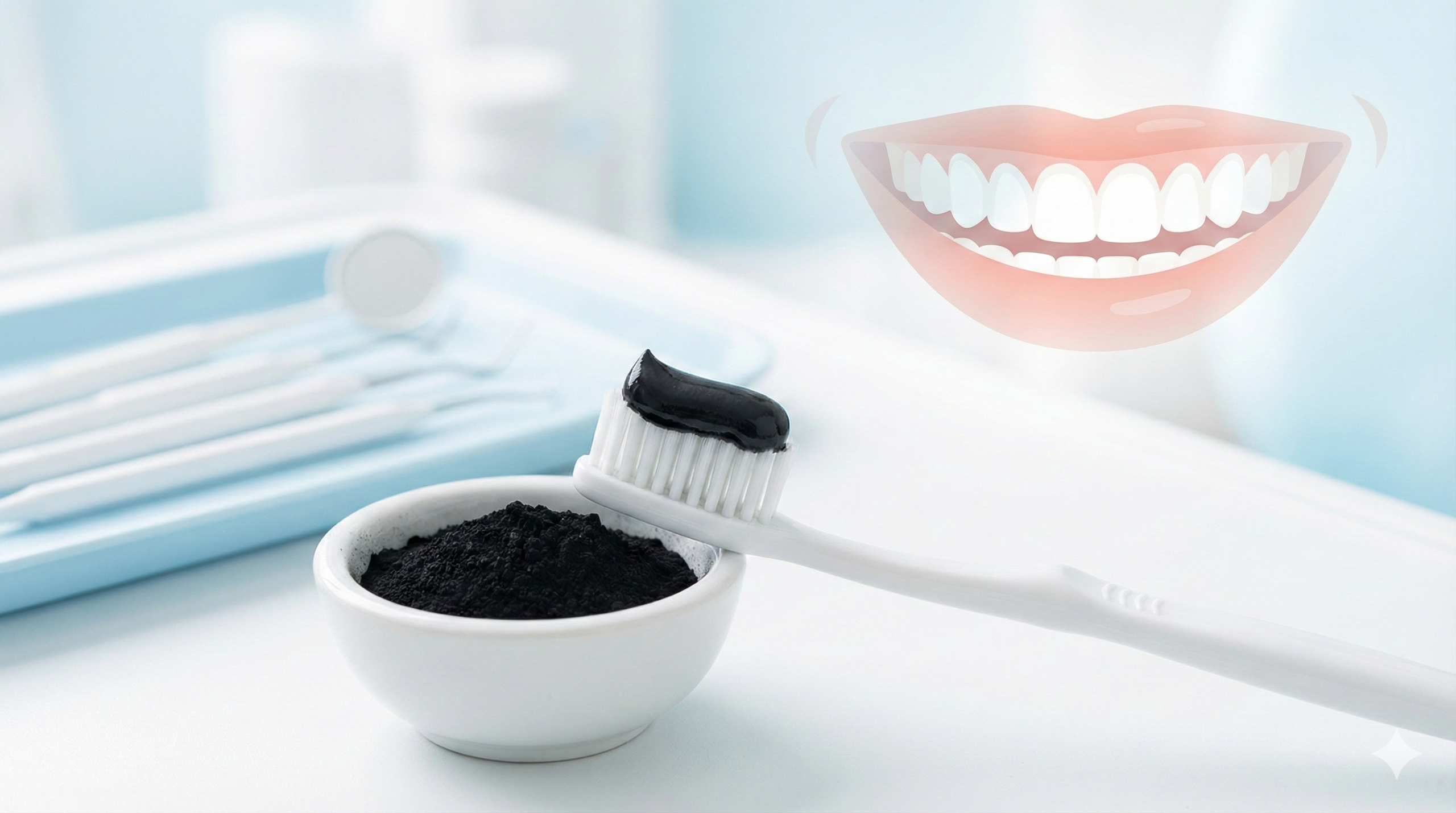
Charcoal toothpaste has gained huge popularity because of viral whitening videos, influencer recommendations, and the belief that charcoal can remove stains naturally. Many people try it hoping for a brighter smile, but not everyone understands how it works or whether it is truly safe for daily use. Since enamel damage cannot be reversed, it is important to know the real facts before making it part of your oral care routine.
This detailed guide explains how charcoal toothpaste works, its benefits, risks, scientific insights, and dentist-approved recommendations to help you make an informed choice.
1. What Is Charcoal Toothpaste and Why It Matters
Charcoal toothpaste is made using activated charcoal, a fine black powder known for absorbing toxins and impurities. It is commonly used in water filtration systems and medical treatments. In oral care products, activated charcoal is marketed as a natural whitening agent.
People choose charcoal toothpaste because:
• It seems natural and chemical free
• It appears to remove stains instantly
• It is heavily promoted on social media
However, whitening results depend on its abrasiveness and how often it is used. Misuse can damage enamel, which is why understanding its impact is essential.
2. How Charcoal Toothpaste Works
Activated charcoal has a rough, porous structure. When used for brushing, these particles scrub the outer surface of the teeth to remove stains caused by:
• Coffee
• Tea
• Wine
• Smoking
• Sugary drinks
This method of stain removal works only on the surface. Charcoal toothpaste cannot change the natural shade of enamel or whiten teeth from inside. The effect is temporary, and the results vary from person to person.
3. Benefits of Charcoal Toothpaste
Charcoal toothpaste can offer some short term advantages when used correctly.
Surface Stain Removal
The abrasive texture helps lift external stains that dull the appearance of teeth.
Fresh and Clean Feeling
Charcoal may absorb odors and toxins, giving the mouth a cleaner sensation.
Free From Bleach Based Whitening Agents
Many people like it because it avoids peroxide or bleaching chemicals.
Though these benefits sound appealing, they come with limitations and safety concerns.
4. Risks and Side Effects of Charcoal Toothpaste
Dentists recommend caution because charcoal toothpaste is more abrasive than regular toothpaste.
High Abrasiveness Can Damage Enamel
Charcoal particles can gradually wear away the enamel. Over time, this leads to:
• Tooth sensitivity
• Yellowish teeth
• Increased risk of cavities
Enamel once lost cannot be restored.
Most Charcoal Toothpastes Lack Fluoride
Fluoride strengthens enamel and protects against decay. Without it, long term oral health may suffer.
Possible Gum Irritation
Rough particles may irritate the gums if used aggressively.
Limited Scientific Evidence
Studies show that charcoal toothpaste removes surface stains, but research does not support long term whitening claims or superiority over fluoride toothpaste.
Charcoal toothpaste becomes risky when used daily or incorrectly.
5. When Charcoal Toothpaste Can Be Harmful
Charcoal toothpaste may be harmful if:
- Used daily instead of occasionally
- Brushed with too much pressure
- The formula is highly abrasive
- Fluoride toothpaste is not used regularly
- The person has weak enamel or sensitivity
- The person has crowns, fillings, veneers, or ceramic restorations
- Used by children without dental supervision
Frequent use increases the chances of enamel loss and long term damage.
6. Dentist Approved Safety Guidelines
If you still want to use charcoal toothpaste, follow these precautions:
Limit Usage
Use only once or twice a week, not daily.
Use a Soft Bristle Toothbrush
This reduces friction and prevents enamel wear.
Avoid Aggressive Brushing
Gently brush and let the toothpaste work.
Use Fluoride Toothpaste Daily
Fluoride toothpaste should always be your main oral care product.
Avoid If You Have Sensitivity
Charcoal can worsen discomfort in sensitive teeth.
Avoid on Restorations
Charcoal may stain or damage the surface of crowns, veneers, or fillings.
Consult a Dentist
Professional advice helps you choose safe whitening solutions.
7. Dentist Recommended Alternatives for Safe Teeth Whitening
If you want a brighter smile without harming enamel, these options are safer and more effective:
Fluoride Whitening Toothpaste
Safe for everyday use and effective for mild stains.
Professional Dental Cleaning
Removes plaque and deep stains that brushing alone cannot remove.
In Clinic Whitening Treatments
Dentist supervised whitening is controlled, effective, and enamel safe.
Lifestyle Changes
Cutting down on tea, coffee, wine, and tobacco helps maintain long lasting whiteness.
These methods offer real whitening results without damaging tooth structure.
8. FAQs About Charcoal Toothpaste
Does charcoal toothpaste whiten teeth?
It removes surface stains but does not change the natural enamel color.
Is charcoal toothpaste safe for daily use?
No. Daily use increases enamel erosion risks.
Can charcoal toothpaste cause damage?
Yes, if used too often or too aggressively.
Does it help with bad breath?
It may absorb odors temporarily but does not treat the underlying cause.
Is it suitable for children?
No. Children require fluoride toothpaste for developing teeth.
Can pregnant women use charcoal toothpaste?
Yes, but only rarely and after consulting a dentist.
What is the safest whitening option?
Professional whitening at a certified dental clinic.
Conclusion
Charcoal toothpaste can help remove surface stains, but it is not a long term or reliable whitening solution. Misuse can lead to enamel damage, sensitivity, and dental problems over time. For safe and effective whitening, dentist approved treatments and fluoride toothpaste are far better choices.
If you want a personalized whitening plan that protects your enamel and improves your smile safely, visit Dr. Sanjay Kalra’s Multispeciality Dental Clinic. Their experienced dental team provides advanced, enamel friendly whitening treatments and complete oral care services to help you achieve a brighter, healthier, and long lasting smile.
